Know exactly what you can spend - and when you can walk away.
After a lifetime of diligent saving, you deserve a coordinated retirement plan for your spending, taxes, and investments. So you can enjoy the life you've built with confidence and peace of mind.
"What if 30 days from now, instead of checking your accounts and second-guessing retirement, you were confidently booking your next adventure with loved ones?"
Do you ever catch yourself running mental math or what-if questions at night?
How much can I actually spend each month and where will the paycheck come from?
Should I claim Social Security at 62, or wait until 70? Which account do we draw from first?
How do I make sure I don't get crushed with taxes?
If I go first, will my spouse be okay? I've always handled the money.
What happens if the market tanks - will I have to go back to work?
Is working a few extra years worth it, or am I trading my best years for a bigger number a bad market could erase?
For 40 years your paycheck did the work. Now your money has to.
If you're struggling to get clear answers around your retirement, it's because you have a portfolio, not a plan. A portfolio works while you're saving — but the day the paycheck stops, the rules flip, and that's exactly where a plan takes over. Here's the difference:
Managing a portfolio and building a retirement plan are two different jobs. Most advisors are only paid for the first one.
That plan has a name: the Retirement Income Blueprint.
It starts with your life. What's important to you, what do you want retirement to look like, and figuring out what that will cost. Then builds a plan based on the three pillars that decide your retirement: income, taxes and investments.
Income
What can you actually spend, and where does it come from once the salary stops?
We turn your savings, Social Security timing, and withdrawal order into a monthly number you can plan around - one that holds up in a bad year.
Taxes
Are you overpaying the IRS without even knowing it?
Roth conversions, tax bracket management, Medicare cliffs, the widow's penalty. Year-round work to potentially lower your lifetime tax bill - none of which shows up on a portfolio statement.
Investments
How can you potentially help keep your life savings healthy and growing even in a bad market?
In the spending years the portfolio has one job: to fund your plan. And, keep pace with rising costs without getting wrecked in the next downturn.
Line up all three pillars and the 2 a.m. mental math... STOPS. For good.
An annual review isn't a plan. We meet three times a year.
Most advisors meet once and go quiet between. Retirement doesn't stand still, so neither does the Blueprint. Your plan adapts as your life and the markets change.
Beginning of the Year
Income & taxes
Set what you'll spend this year and where it comes from. Refresh the tax plan: conversions, brackets, IRMAA.
Middle of the Year
Progress & investments
Check where you stand against the plan. Keep the portfolio aligned to your income needs. Adjust for anything that's changed.
End of the Year
Tax & legacy
Lock in the final tax moves before deadlines. Confirm beneficiaries and estate documents are current.
The three things I saw on Wall Street that may be costing you.
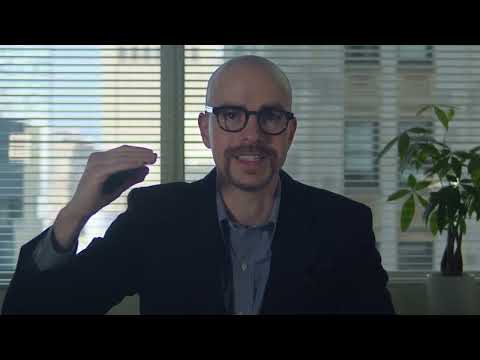
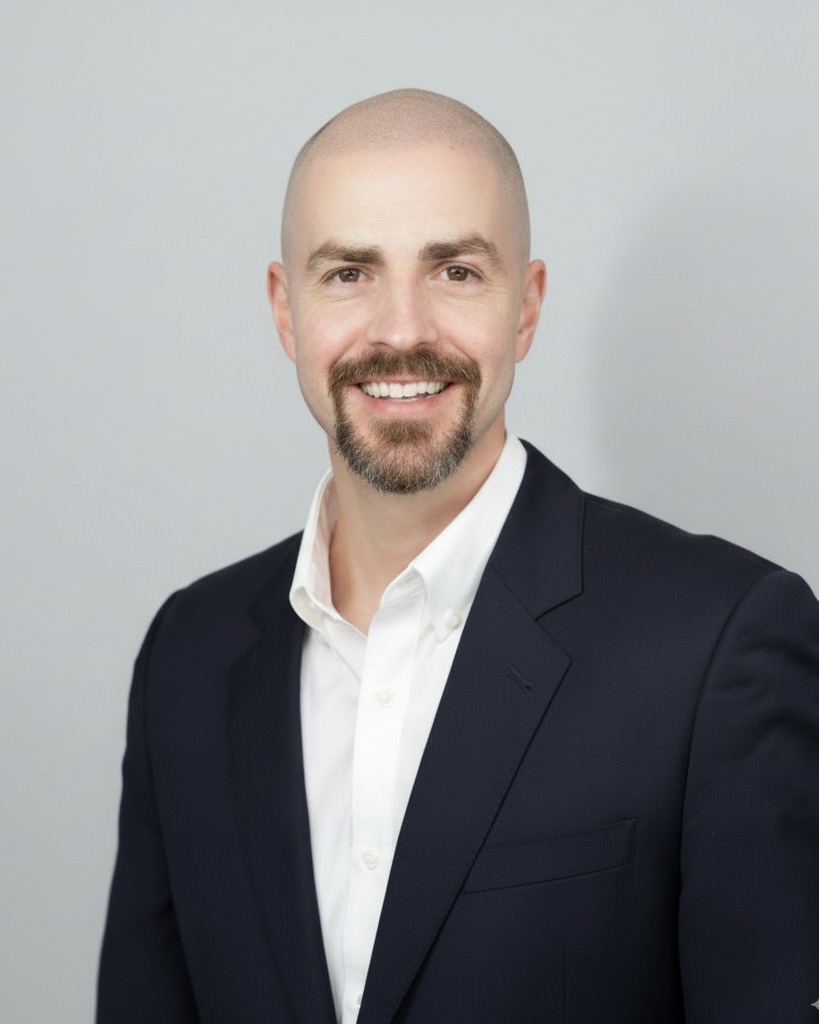
Hi, I'm Chris Miller. I studied at MIT and began my career in wealth management, first at a top advisory group at Oppenheimer, then at one of the country's largest fund companies. Working inside the industry, I saw three things that routinely work against retirees.
- The hidden pitch"Free financial plans" are often a sales tool. I know because I used to give them when I worked on Wall Street. The goal isn't the plan. It's getting your assets. Once your money moves, the planning usually fades and "stay the course" becomes the only advice.
- The hidden feesMost people only know the advisory fee. But that's rarely the full cost. Fund expenses, manager fees, trading costs, cash drag, and taxes can quietly add up. Your true cost is often much higher than the number on the proposal.
- The hidden riskIn 2008, I spent months talking to retirees who thought they owned conservative, diversified portfolios. Many still lost 30% or more. Suddenly retirement became a choice between spending less or selling investments at the worst possible time... and in some cases going back to work.
That's when I realized the problem wasn't individual advisors. It was Wall Street's standard business model. So I left and built a different kind of firm: one where planning comes first and every recommendation starts with your retirement, not a product to sell. One where you work with someone who actually knows you, so you're not just another account number.
One flat fee. For the planning itself.
Not a percentage of everything you've saved. Just one flat monthly fee for ongoing retirement planning. That means our advice isn't tied to gathering more assets. It's tied to helping you make better retirement decisions.
Starting at
Here's what membership gets you:
- A comprehensive retirement plan that aligns every financial decision with what matters most to you
- A clear spending number on how much you can spend and which account to pull from
- A Social Security claiming strategy run on your numbers
- Pension evaluation, including lump sum versus rollover decisions
- A multi-year tax plan including Roth conversions, Medicare cliffs, gifting strategies, and the widow's penalty
- A survivor plan in writing, so your spouse is covered
- Three working meetings a year so you stay on track and your plan stays current
- Risk mitigation strategies to protect your wealth and your family
*Monthly fee is for planning only. Should you invest with us, South Pointe charges a simple investment management fee significantly below the industry average — see FAQ for details.
Meet the Agile Protection System.
Every Retirement Income Blueprint runs on the process behind Pillar Three: a way of managing your investments built for the spending years, when a bad year can no longer just be waited out. That process is the Agile Protection System - built on the kind of risk-management approach institutions have used for decades, adapted for today's market using what I learned at MIT. Daily rebalancing, instead of once a year, is one piece of how it works.
- Built For Down YearsMost portfolios are built to grow. This is built to hold up too - with an eye toward what happens if the market drops the year you retire, not just the years it doesn't.
- Reduces Forced SellingThe goal is to reduce how often a bad year forces you to sell low just to cover this month's bills - protecting the paycheck your portfolio has to become.
- Coordinated, Not Stand-AloneIt isn't a bet made in isolation. It's built to work alongside your Income and Tax pillars, so no single decision is made without the other two in view.
How it applies to your numbers is something we walk through on your Retirement Vision Call.
Book Your Retirement Vision CallNo investment strategy, including the Agile Protection System, can guarantee a profit or protect against loss in a declining market.
Three steps, and the decision is yours again.
First
Book Your Retirement Vision Call
Thirty minutes, free, direct with Chris. We'll look at where you stand today and which two or three decisions matter most for you.
Then
Get Your Blueprint
A clear, written look at your income, taxes, and investments — what's solid, what's exposed, and what it would take to retire with confidence.
Ongoing
Put It to Work
We build out the full plan together, then meet three times a year to keep it current as your life and the markets change.
Don't take our word for it. Verify us.
Choosing an advisor is a big decision. You should check us out independently, and here's exactly how.
Registered & Regulated
South Pointe Advisors LLC is an investment adviser registered with the State of New York and Florida. Registration is public record.
Look us up on the SEC's IAPD → Read our Form ADV →Credentialed & Fiduciary
Chris holds a degree from MIT and is a Chartered Market Technician (CMT) - the gold standard credentials for quantitative analysis and risk management. As your investment adviser, we're held to a fiduciary standard.
Verify Chris on LinkedIn →We Never Hold Your Money
Client accounts are held at Charles Schwab, an independent third-party custodian, in your name. You can view your accounts any time — we advise, the custodian holds.
How Schwab protects your accounts → SIPC & insurance coverage →Fair questions, straight answers.
Why a flat monthly fee instead of a percentage of assets?
So you can get expert retirement advice without having to move your life savings. Traditional advisors are paid to manage investments, not to provide ongoing retirement planning. We believe if you're not explicitly paying for planning, you're probably not getting it.
Do you also manage investments, or just the planning?
Yes. If you'd also like us managing your investments, that's a separate service at 0.80% annually for our proprietary risk management models. That is well below the industry standard and it's entirely optional. The minimum to open an investment account is $1,000,000.
I already have an advisor. Why would I need this?
Your advisor may be very good at what he's paid to do - manage the portfolio. That's a different job than deciding when to claim Social Security, which account to draw from first, or how to protect your spouse. Most advisors aren't paid for retirement planning work, so it doesn't get done. Many members keep their advisor and add the planning as a second opinion.
Who is this actually for?
Retirees and pre-retirees, usually between 55 and 67, who have already done the hard part. You saved diligently, you stayed the course, it worked. What you don't have is a plan for spending it — what you can safely take each month, when to claim, which accounts to draw down, how to keep the tax bill from quietly eating the rest, and how to protect yourself from another market downturn.
Are you a fiduciary?
Yes. As your investment adviser, we're held to a fiduciary standard — legally required to put your interests ahead of our own on the advice we give you. In practice it also means a one-on-one working relationship with someone who actually knows you, not just another account number. Our full disclosures, including how we're compensated, are filed publicly, and you can verify our registration yourself at the SEC's IAPD database.
How are you different from other advisors?
Most advisors are set up to manage a portfolio — annual reviews, a fee tied to your balance, and little incentive to do the planning work retirement actually needs. We built the opposite: a flat planning fee that doesn't move with your balance, three working meetings a year instead of one, and a specialty in retirees only. On the investment side, we have proprietary risk management models based on my MIT background.
Can you work with clients in different states?
Yes, we work with clients across the country.
What is your investment approach?
We start with your income and tax plan, then build the portfolio to fund it. Once we know what you need to draw each month and when, the right mix becomes a lot clearer than it looks from a generic risk questionnaire. This is the opposite from traditional advisors lead with investments, which results in "cookie-cutter" allocations and the "hang in there and ride it out" mantra. Instead, we tailor our proprietary quantitative investment strategies to your plan to manage risk without parking everything in bonds or annuities.
Where will you hold my investments, and how can I see them?
Your investments are held at Charles Schwab, an independent third-party custodian. We never accept client funds directly. The accounts stays in your name, and you can view it any time.
Pick a time that works for you.
Not ready to talk? Watch our Seven Rules for Retirement Success.